Summer is here, the holidays have begun… and so have the famous summer assignments.
But don’t worry—there’s no maths or spelling test this time.
At IDEC SPORT, we’ve prepared something a little different: a quick guide to help you better understand endurance racing.
If you’ve ever watched a race and heard commentators talking about stints, drive throughs, Full Course Yellow or an undercut…
…without really knowing what they mean…
…this is your summer homework, motorsport edition.
Here’s a simple dictionary to help you follow a race like a true member of the team.
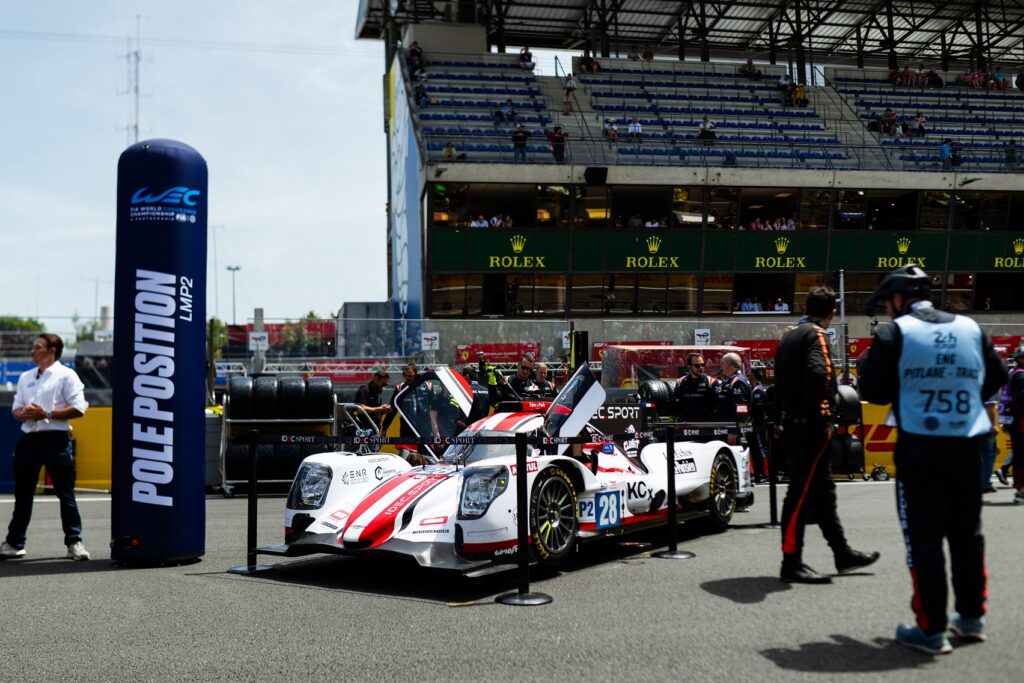
Pole Position
Pole Position is the first place on the starting grid.
It is awarded to the fastest driver during qualifying. In endurance racing, starting from the front often helps drivers avoid traffic during the opening laps.
Stint
A stint is the period during which a driver remains behind the wheel before returning to the pits.
Its length depends on several factors:
- Fuel consumption
- Tyre wear
- The team’s race strategy
A four-hour race is made up of several stints.
Box
When you hear:
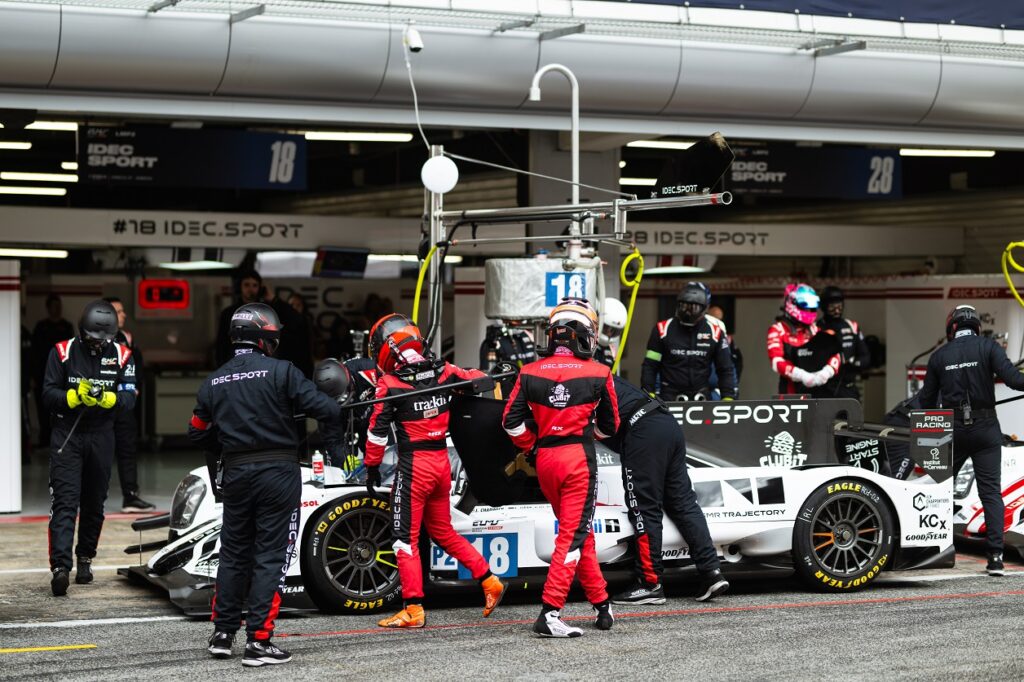
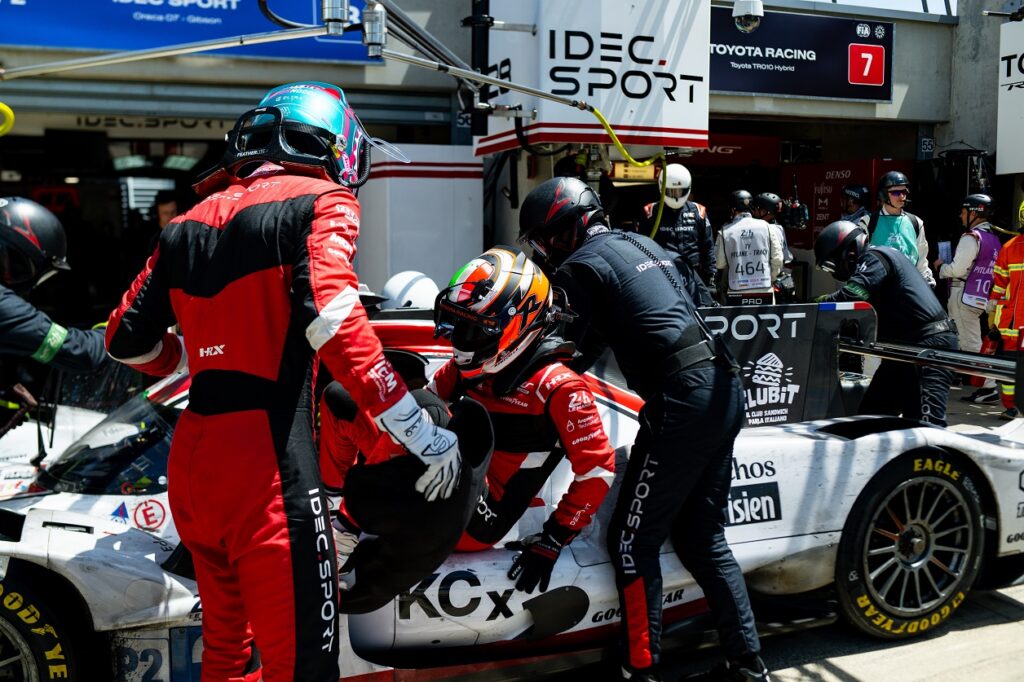
“Box, box!”
it simply means:
“Come into the pits.”
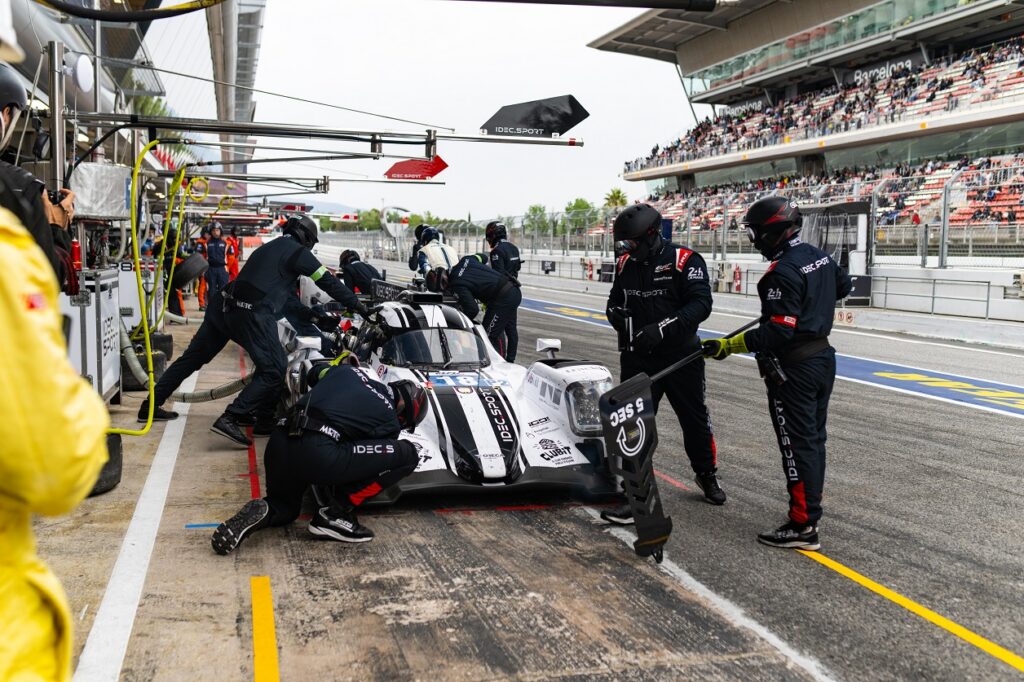
The driver enters the pit lane to refuel, change drivers, fit new tyres or make adjustments to the car.
Undercut
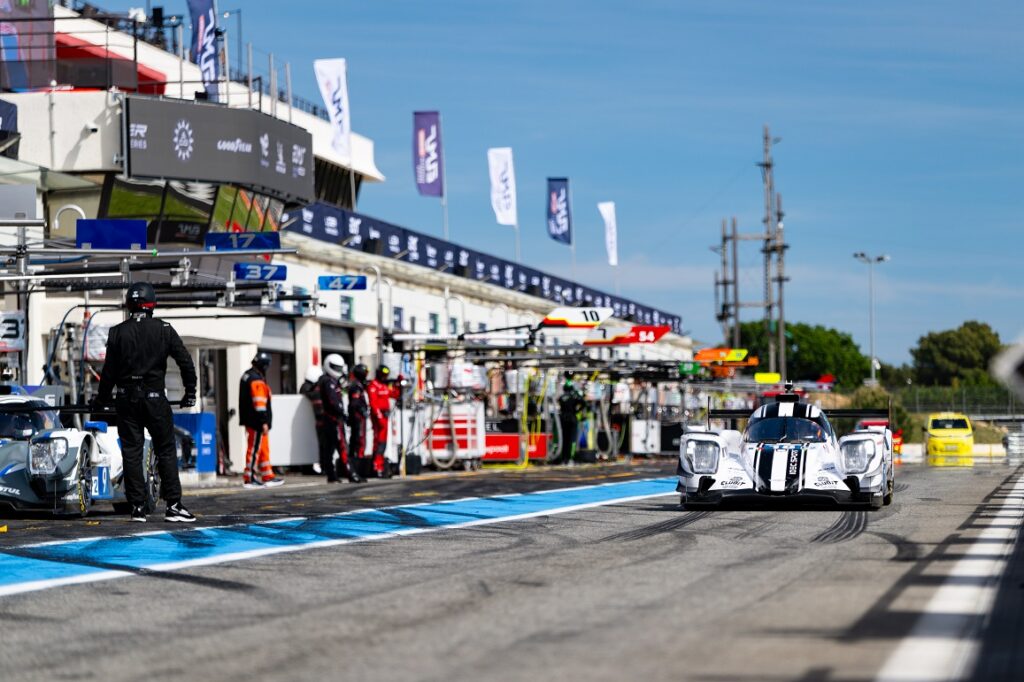
An undercut is a strategic move.
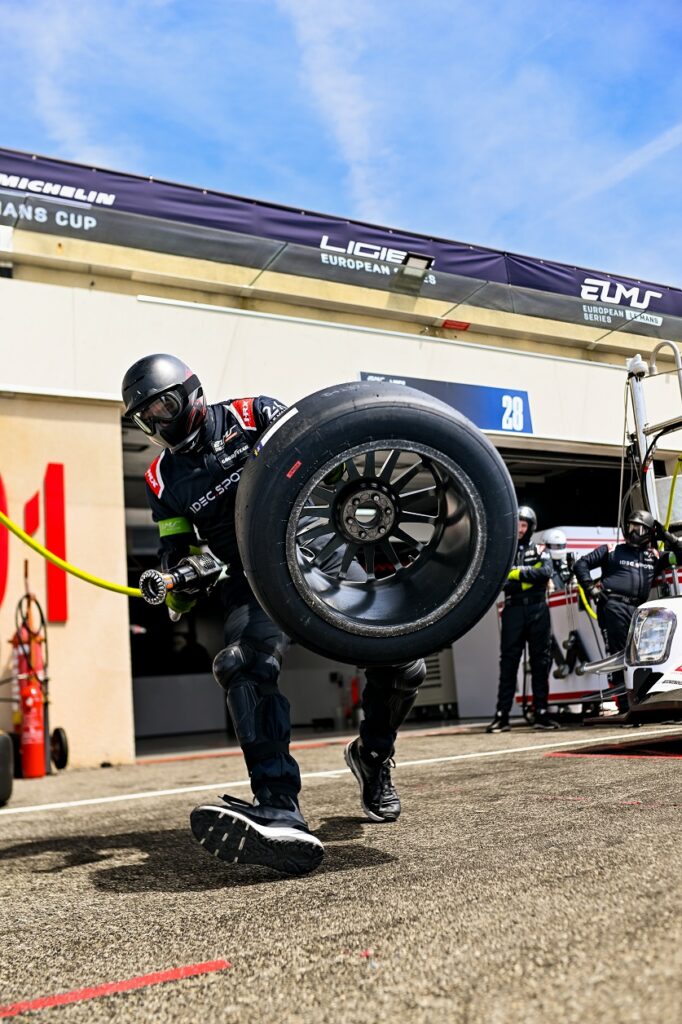
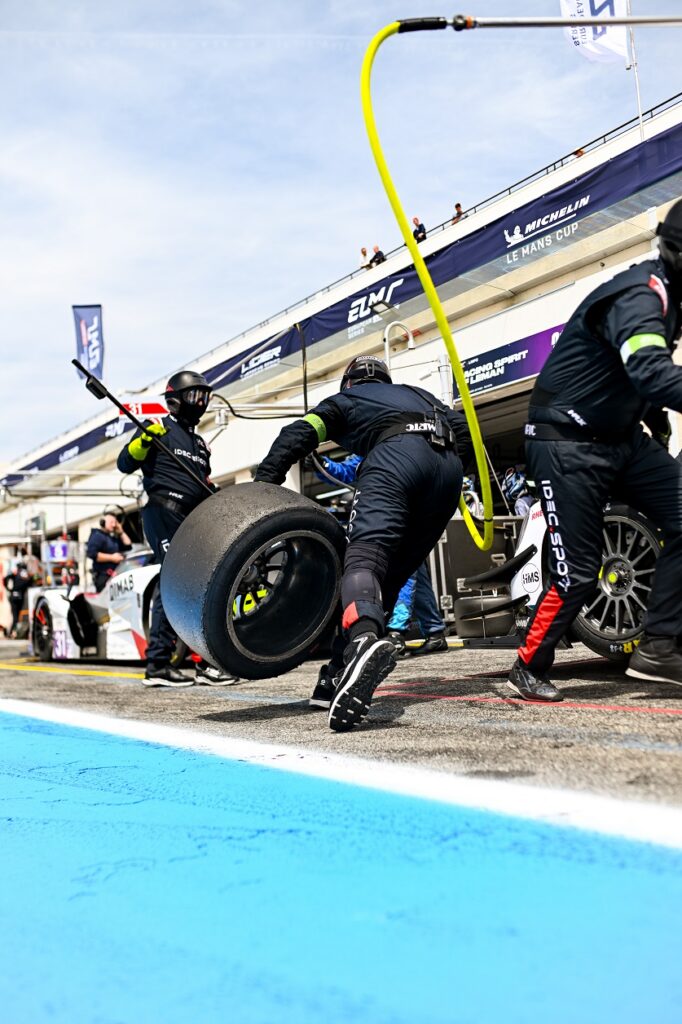
A team brings its car into the pits earlier than a rival in order to benefit from fresh tyres and faster lap times.
The goal is to emerge ahead once both pit stops have been completed.
Overcut
The opposite strategy is called the overcut.
Instead of stopping early, the team keeps the car on track for longer.
This can be effective when the track is clear or tyre performance remains strong.
Full Course Yellow (FCY)
Unlike a Safety Car period, every car immediately slows to a controlled speed across the entire circuit.
The gaps between competitors are frozen.
A Full Course Yellow allows marshals to intervene safely while minimising disruption to the race.
It is one of the most important strategic moments in endurance racing.
Safety Car
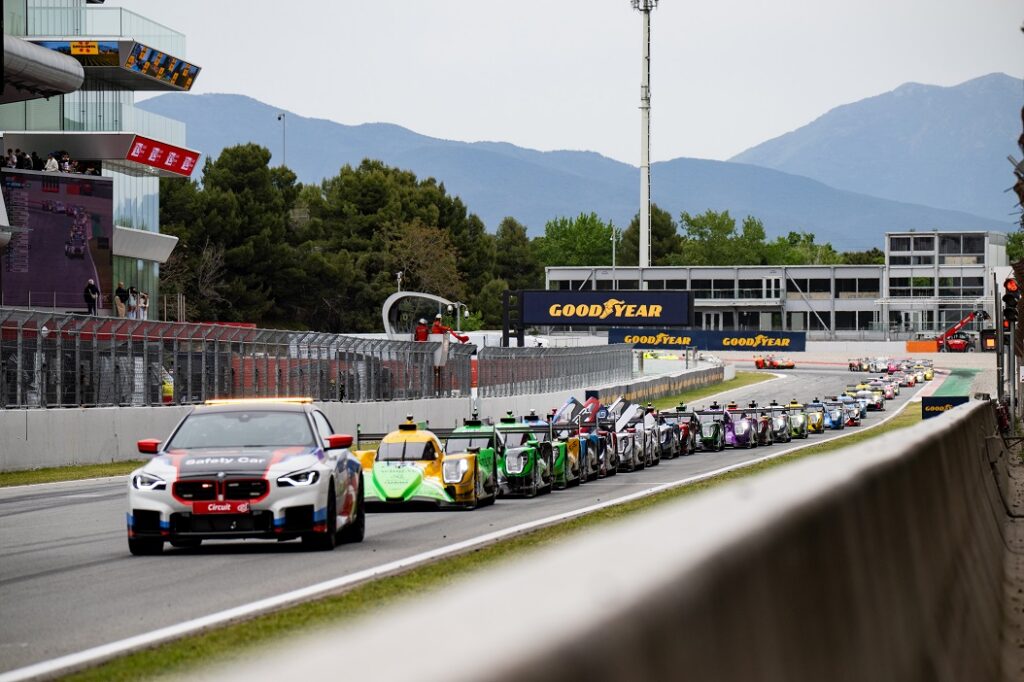
The Safety Car leads the field while all competitors line up behind it.
The gaps between cars are reduced, often creating new strategic opportunities.
A Safety Car can completely change the outcome of a race.
Drive Through
The driver must drive through the pit lane…
…without stopping. This penalty is usually given after a sporting infringement and can cost several valuable seconds.
Stop & Go
More severe than a Drive Through.
The driver must enter the pit lane, stop at the team’s pit box for a specified amount of time, and only then rejoin the race.
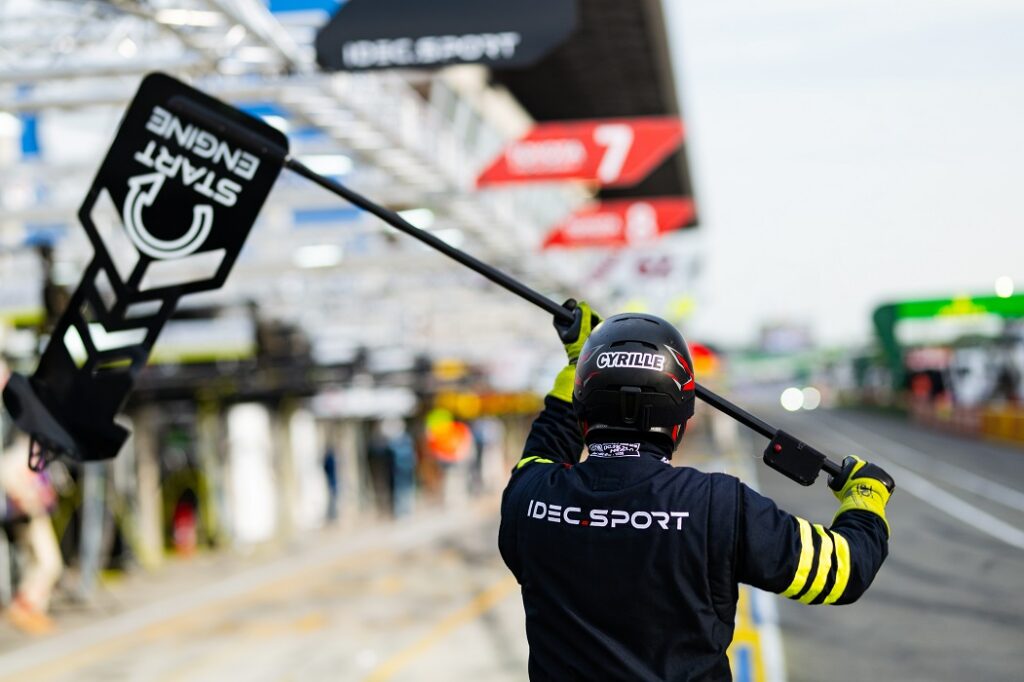
Lollipop
Before modern traffic-light systems, a mechanic used a large paddle—known as the lollipop—to tell the driver when it was safe to leave the pit box.
Although electronic lights have largely replaced it, the term is still widely used throughout the paddock.
Traffic
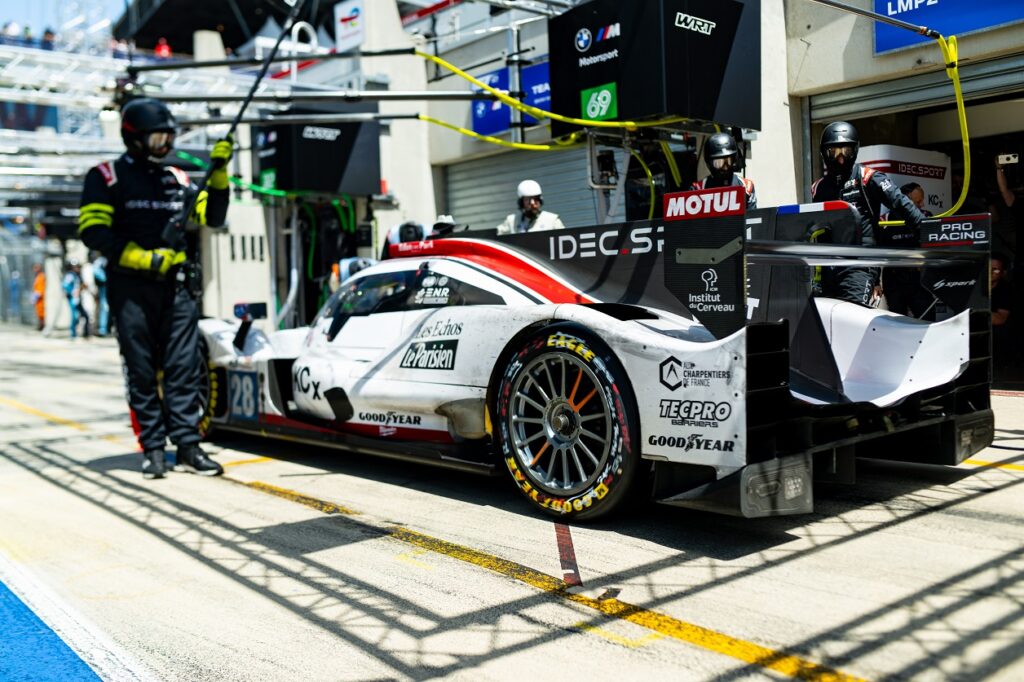
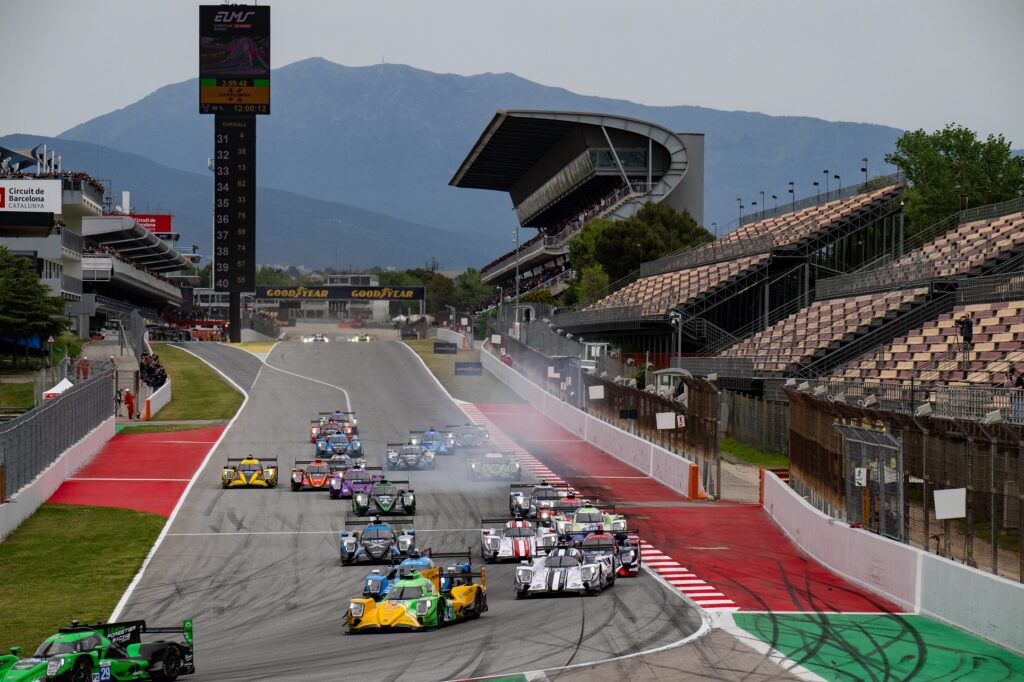
Several categories race on track at the same time in endurance racing.
LMP2 prototypes regularly overtake GT cars.
Managing traffic efficiently is one of the key skills required from every driver.
One poorly judged overtake can cost precious seconds.
Tyre Degradation
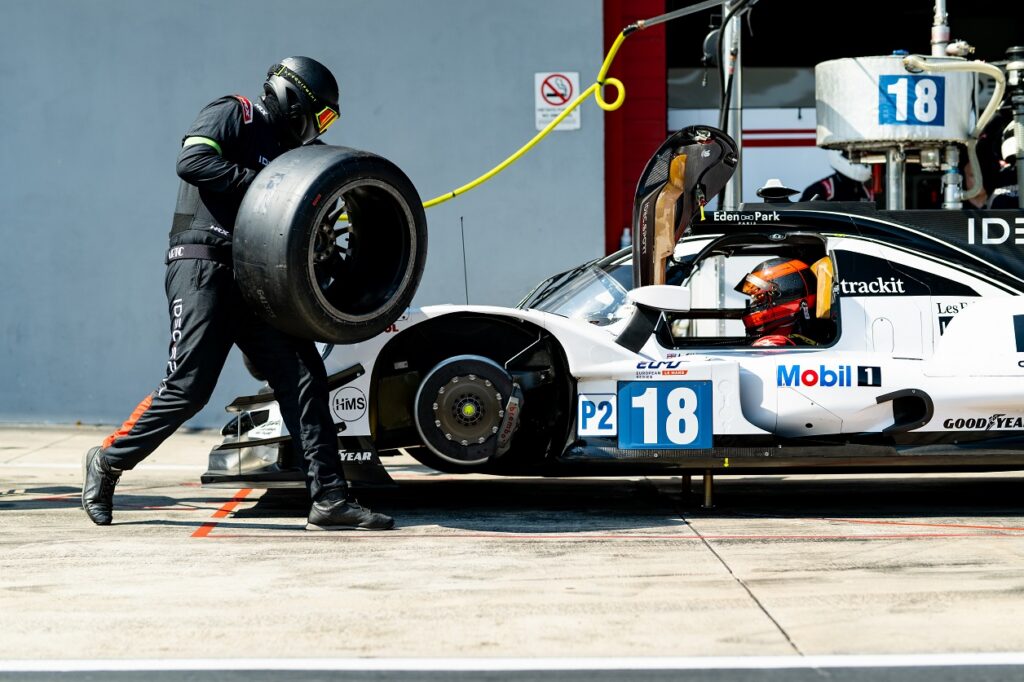
Tyre degradation refers to the gradual loss of tyre performance over time.
Engineers monitor it constantly to adapt the team’s strategy throughout the race.
Flat Spot
When a driver locks a wheel under braking, one section of the tyre wears unevenly.
This is known as a flat spot.
The resulting vibrations can become severe enough to force an early tyre change.
Lift & Coast
A fuel-saving technique.
The driver lifts off the throttle slightly before the braking zone, allowing the car to slow naturally and reducing fuel consumption with minimal lap time loss.
Track Limits
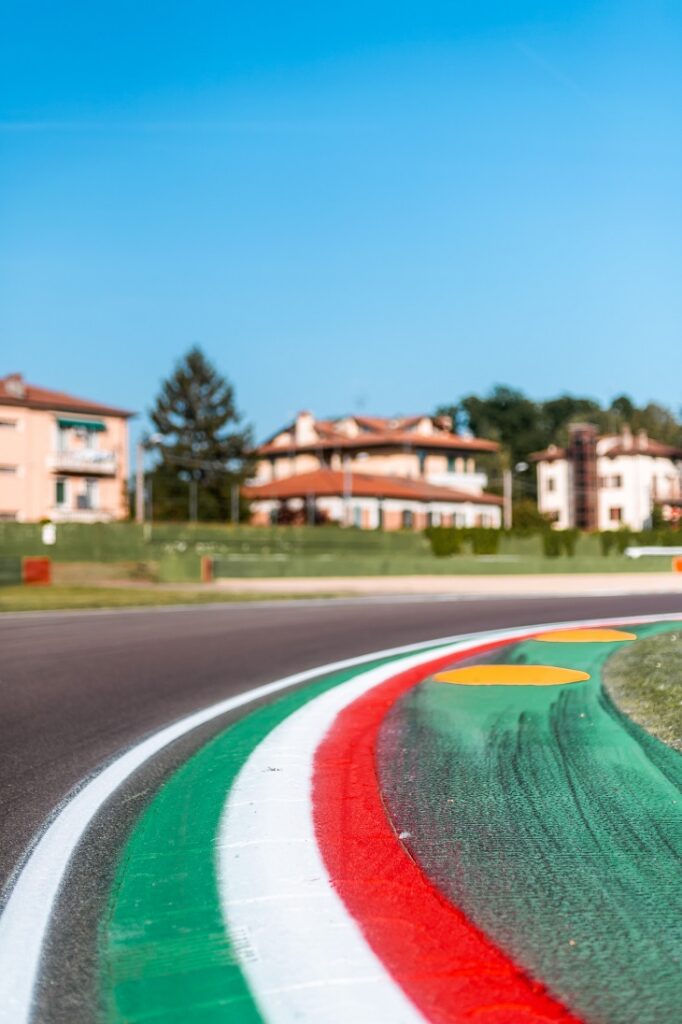
Every circuit defines the limits of the racing surface.
Repeatedly exceeding those limits can result in warnings and, eventually, penalties.
Why Does This Vocabulary Matter?
Endurance racing is about much more than outright speed.
Strategy, decisions made from the pit wall, tyre management, traffic and race neutralisations all play just as important a role as the drivers themselves.
Understanding this vocabulary means understanding why a race can change in just a few seconds.
So the next time you hear over the team radio:
“Box this lap. FCY. Watch traffic. We are trying the undercut.”
…you’ll know exactly what’s happening. And that’s exactly what makes endurance racing so fascinating.